Vehicle Appearance Restored Through Systematic, Surface-Specific Care
Auto Detailing in Dubuque for vehicles with oxidized paint, contaminated surfaces, or interiors that routine cleaning hasn't fully addressed
The difference between washing a vehicle and detailing it comes down to what happens after the surface is clean. Underdog Auto approaches auto detailing as a process that works through each surface systematically—paint, glass, trim, interior materials—using methods appropriate to that surface's condition rather than applying the same products across every area regardless of what they need. For Dubuque drivers whose vehicles show the effects of road salt, winter grime, UV exposure, or simply years of daily use, detailing addresses what routine washing leaves behind.
Exterior detailing at this level includes services that correct paint rather than just clean it. Clay bar treatment pulls embedded contamination from paint that washing alone can't dislodge—the gritty texture you feel when running your hand across a washed panel indicates bonded particles that are still present on the surface. Paint correction addresses the swirl marks and fine scratches left by improper washing techniques or automatic car washes, and ceramic coating applied to corrected paint creates a chemically bonded protective layer rather than a wax film that degrades over weeks. Headlight restoration clears the oxidized haze that develops on polycarbonate lenses over time, which affects both the vehicle's appearance and the output of the headlights themselves.
Request a detailing consultation with Underdog Auto to review your vehicle's current condition and identify which services are appropriate for what you're seeing.
The Difference Between Surface Cleaning and Actual Paint Correction
Paint correction involves using a machine polisher with abrasive compounds at controlled speeds to remove a controlled amount of clear coat from the paint surface, leveling out the scratches and swirl marks that scatter light and produce that dull, hazy appearance under direct sunlight. The depth of the scratches determines whether a one-stage or multi-stage correction is appropriate—shallow swirl marks respond to a single polish, while deeper scratches require a more aggressive cut followed by a finishing polish. That decision is made by inspecting the paint under proper lighting before work begins, not estimated from across the parking lot.
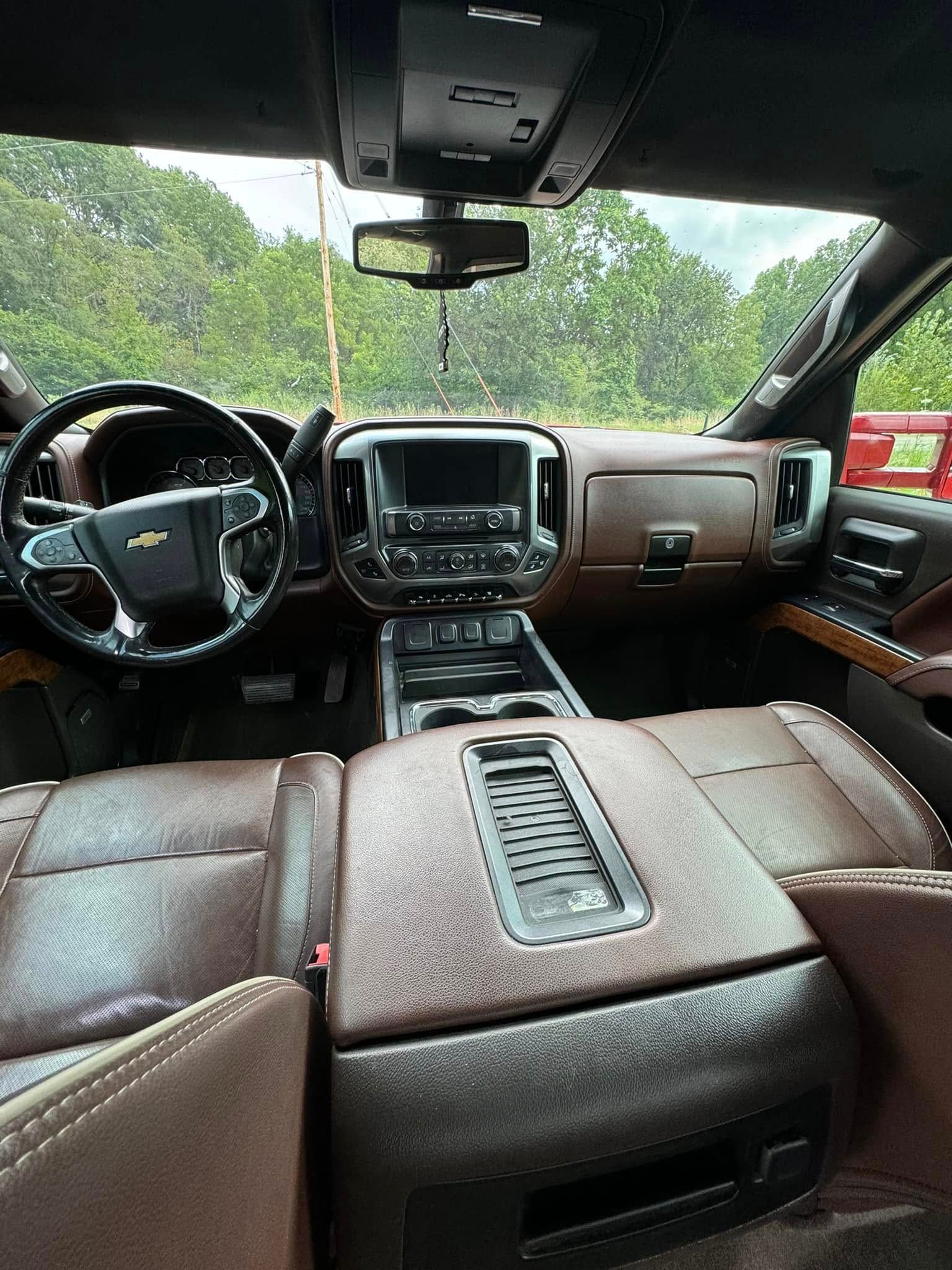
After paint correction and ceramic coating, the paint reflects light in a way that clearly differs from its pre-treatment condition—colors appear deeper, the surface feels slick to the touch, and water beads and sheets off rather than spreading across the panel. Headlights that were hazy and yellowed transmit noticeably more light after restoration, which is visible both from outside the vehicle and in the improved beam pattern projected on the road. Interior surfaces addressed during a full detail look cleaner and feel more consistent in texture than surfaces that were only vacuumed or wiped down.
Not every vehicle needs every service—a vehicle with well-maintained paint may benefit more from a clay bar treatment and coating application than from a full correction, while a vehicle with heavier surface damage needs the correction step first before any coating is applied to lock in the improved result. Underdog Auto identifies where your vehicle's paint actually stands before recommending specific services, so the work done matches what the vehicle requires.
Questions Before Starting Your Detailing Project
Auto detailing covers a wider range of services than most drivers expect, and understanding what each one addresses helps clarify which combination makes sense for a specific vehicle. These questions cover the details that come up most often.
What does clay bar treatment remove that washing doesn't?
Clay bar physically lifts bonded contaminants—industrial fallout, rail dust, brake dust, and embedded road film—from the paint surface by shearing them away as the clay passes over the panel, leaving the surface smooth enough to accept polish or coating without interference.
How is ceramic coating different from traditional car wax?
Ceramic coating bonds chemically to the clear coat and forms a hard, semi-permanent layer that doesn't wash away or degrade with UV exposure the way wax does—the protection is measurably more durable, but the paint surface must be properly prepared before application for the bond to form correctly.
Why does paint correction need to happen before ceramic coating is applied?
Coating locks in whatever condition the paint is in at the time of application—applying it over swirl marks or oxidation preserves those defects under the coating rather than hiding them, which is why correction and coating are performed in that specific sequence.
How does Dubuque's winter road treatment affect a vehicle's paint condition?
Road salt and brine applied during Iowa winters accelerate surface contamination and can cause paint oxidation to progress faster on vehicles that aren't regularly washed during and after winter months, making clay bar treatment particularly relevant for vehicles used heavily through the season.
What's involved in headlight restoration compared to replacement?
Restoration removes the oxidized outer layer from the polycarbonate lens through abrasive polishing, followed by a UV sealant to slow re-oxidation—it's appropriate when the lens itself is structurally intact but clouded, and the result is a clearer lens at a fraction of the cost of new headlight assemblies.
Underdog Auto works through each detailing service based on what your vehicle's surfaces actually need rather than a fixed package applied the same way to every vehicle. Call (563) 542-5870 to discuss your vehicle's condition and set up a detailing consultation.