Clouded Lenses That Dull a Vehicle's Front End
Headlight Restoration in Dubuque for headlight lenses affected by surface oxidation, clouding, or weathering
UV radiation from prolonged sun exposure breaks down the outer layer of polycarbonate headlight lenses over time, producing the yellow, hazy appearance that most vehicle owners notice gradually rather than all at once. Underdog Auto provides headlight restoration in Dubuque for vehicles whose lenses have developed that kind of surface oxidation, addressing the exterior condition of the lens through an abrasive and sealing process designed to improve both the clarity and the overall appearance of the front end. Drivers who notice their headlights look faded, yellowed, or foggy against an otherwise clean vehicle are typically seeing oxidation at the clear coat level of the lens—exactly what restoration work targets.
Headlight restoration involves sanding the oxidized surface layer away using progressively finer abrasives, then polishing the lens to restore optical clarity, and finally applying a UV-protective sealant to the exposed surface. Skipping the final sealing step is the most common reason restored headlights re-oxidize quickly—without a UV barrier applied after polishing, the freshly exposed polycarbonate begins degrading again within months. The condition of the lens before restoration determines how many sanding stages are required and what result is achievable; lenses with deep crazing or physical damage that extends below the surface layer may not respond fully to a standard restoration process.
Book a headlight restoration appointment to have your lenses evaluated and restored as part of a complete exterior maintenance visit.
What Headlight Restoration Actually Accomplishes
The restoration process works from coarser to finer abrasive stages because oxidation on a polycarbonate lens is not uniform across the surface—some areas are more degraded than others, and moving through abrasive stages progressively reveals clearer material without removing more lens surface than necessary. Each sanding stage removes the scratches left by the previous one, with the polishing step at the end clearing the final fine scratches to restore optical transparency. This staged approach is what separates a professional restoration from the single-step buffing kits available at retail, which typically do not address deeper oxidation fully and omit the UV sealing step.
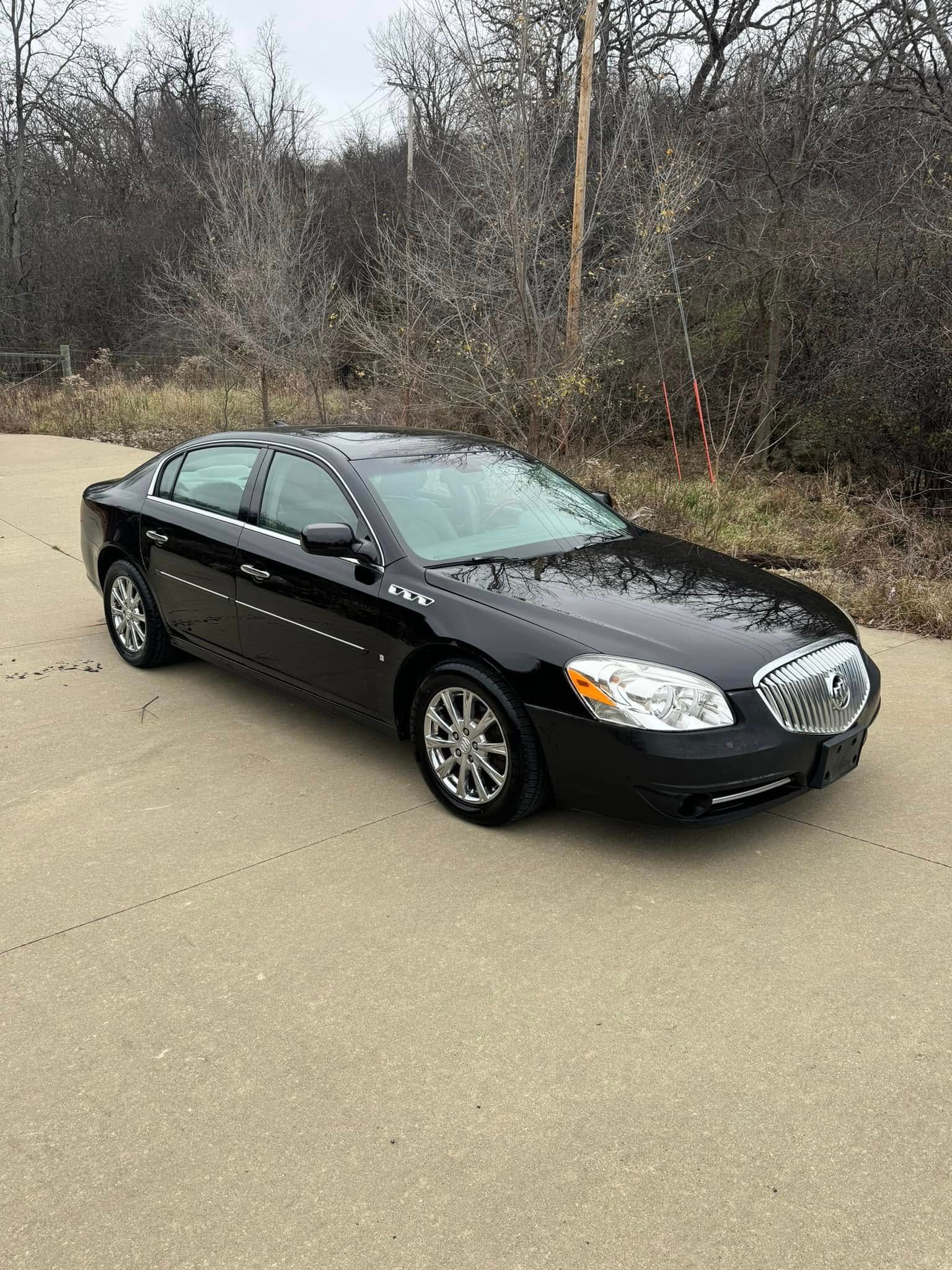
After restoration, you will notice the lenses appear visually clearer and more consistent in color against the vehicle's body rather than yellowed or hazy. The front end of the vehicle looks more cohesive overall when the headlights no longer contrast sharply with the surrounding painted surfaces in terms of clarity and tone. Underdog Auto completes each restoration with a UV sealant application to protect the polished surface and extend the period before oxidation begins to return.
Results depend on the starting condition of the lens—lenses in the early to moderate stages of oxidation typically respond well to restoration, while those with significant internal hazing, cracking, or damage that originates inside the housing rather than on the outer surface are not candidates for exterior restoration work. An evaluation prior to scheduling will confirm whether restoration is the appropriate option or whether replacement would produce a better outcome for the vehicle's specific situation.
Questions Before Starting Your Headlight Restoration
These questions address the practical factors that determine what headlight restoration involves and what to expect from the process based on your vehicle's lens condition.
What causes headlights to turn yellow and cloudy over time?
Polycarbonate headlight lenses are manufactured with a UV-protective coating that degrades with prolonged sun exposure—once that outer layer breaks down, the raw polycarbonate beneath oxidizes and yellows, creating the hazy appearance that restoration work addresses at the surface level.
How is the appropriate restoration process determined for my vehicle?
A visual and tactile inspection of each lens identifies the depth and distribution of oxidation, which determines how many abrasive stages are needed and whether the hazing is on the outer surface or originates from inside the housing.
Why do restored headlights sometimes look cloudy again within a few months?
Re-oxidation after restoration almost always results from skipping or inadequately applying the UV sealant step—without that barrier, the freshly polished polycarbonate surface is exposed directly to UV radiation and begins degrading again relatively quickly.
How does Dubuque's climate affect how fast headlight lenses oxidize?
High UV exposure during summer months combined with temperature cycling between seasons accelerates the breakdown of the lens's outer coating, meaning vehicles parked outdoors in Dubuque's climate typically show noticeable oxidation earlier than vehicles stored in covered conditions.
When should headlight restoration be considered instead of full lens replacement?
Restoration is appropriate when the oxidation and hazing are confined to the outer lens surface, since that layer can be removed and sealed effectively—replacement becomes the more practical option when damage includes internal fogging, cracking, or structural issues that restoration cannot address from outside the lens.
Underdog Auto evaluates each lens individually before beginning restoration to confirm the process is appropriate for that vehicle's headlight condition. Reach Underdog Auto at (563) 542-5870 to schedule a headlight restoration appointment and have your lenses assessed before the work begins.