Addressing Surface Defects Before They Worsen
Paint Correction in Dubuque for vehicles with swirl marks, light surface defects, or oxidation affecting finish appearance
Swirl marks, buffer trails, and early oxidation are not flaws buried deep in the paint—they are surface-level imperfections in the clear coat layer that scatter light and make paint appear dull or hazy rather than reflective. Underdog Auto provides paint correction in Dubuque as a specialized exterior service designed to address those surface imperfections through controlled abrasive polishing, reducing their visibility and improving how the finish reflects light. Drivers who notice their paint looks flat in direct sunlight or has visible circular scratch patterns around panel centers are typically dealing with clear coat defects that correction work can address.
Paint correction involves compounding and polishing steps using machine polishers and abrasive compounds calibrated to the paint's hardness and the depth of the defects present. Not all paint defects are at the same depth—swirl marks from improper washing technique typically sit near the top of the clear coat, while heavier defects from contact scratches or chemical etching may go deeper, affecting whether full removal is achievable without removing more clear coat than is advisable. This is why a paint inspection before correction is necessary: it establishes what the paint can support and sets realistic expectations for what the correction process will produce.
Request a paint inspection to evaluate your vehicle's clear coat condition and determine what level of correction is appropriate.
What Proper Paint Correction Requires
Correction work is typically performed in stages—starting with a more aggressive compound to address deeper defects, then following with progressively finer polishes to refine the surface and remove any marks left by the prior step. Each stage requires careful panel-by-panel work under controlled lighting so the technician can evaluate remaining defects accurately rather than relying on ambient shop light, which conceals surface imperfections that direct inspection lighting reveals clearly. Rushing through stages or using a single product across all defect types produces inconsistent results and can leave micro-marring behind.
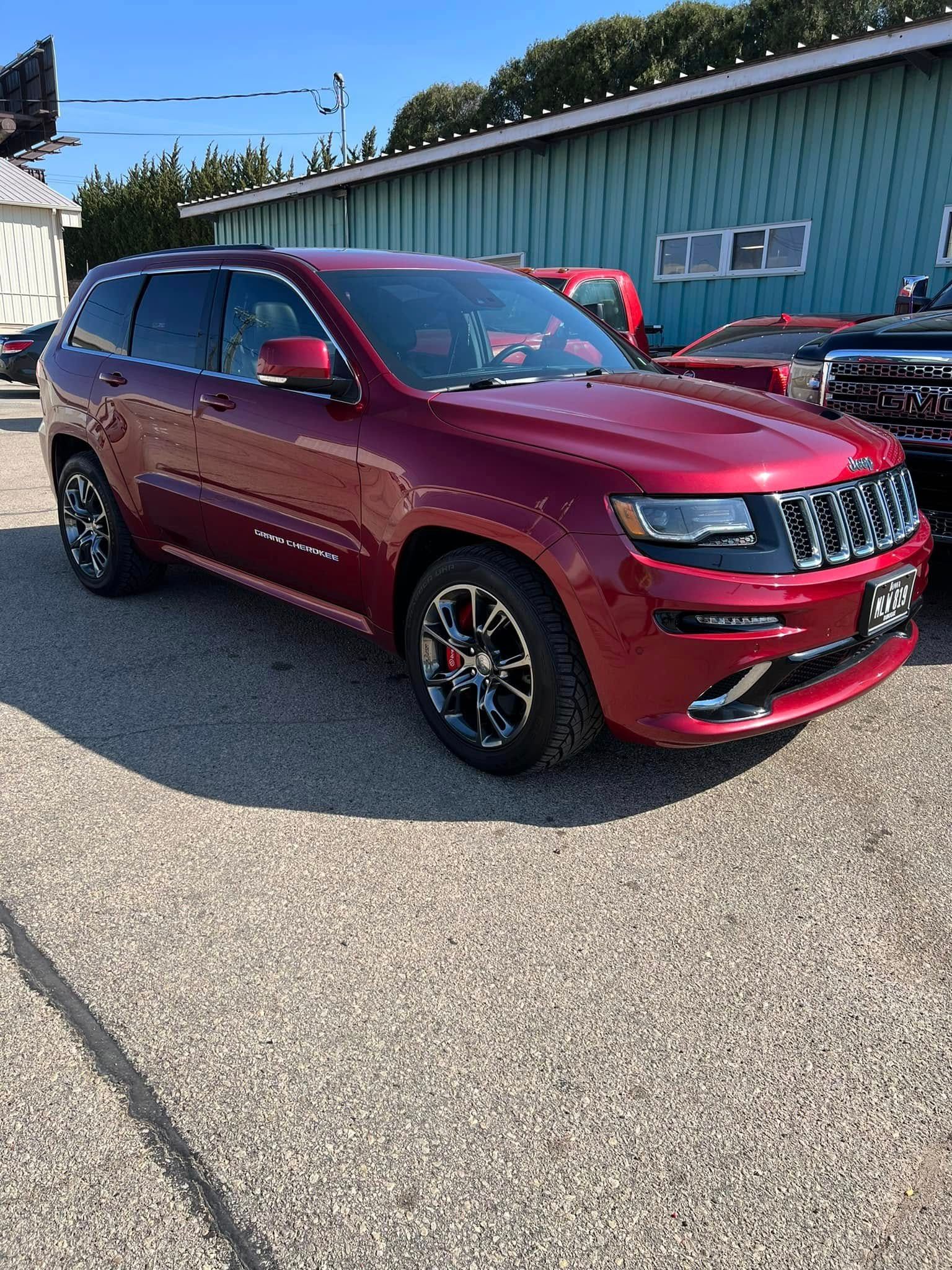
Once correction is completed to the appropriate level for the vehicle's paint condition, the difference is visible in how uniformly the surface reflects a light source—paint that previously showed circular haze or dull patches will reflect more clearly and consistently across each panel. The extent of that improvement depends on the paint's starting condition and the clear coat thickness available for correction, which is why Underdog Auto conducts an inspection before committing to a correction scope rather than applying a standard process regardless of what the paint requires.
Paint correction is also the step that should occur immediately before any ceramic coating application—coating over uncorrected paint locks existing defects in place permanently, while correcting first means the coating is preserving an already-improved surface. Some vehicles need only a single-stage polish, while others with more significant swirl patterns or oxidation require multi-stage correction; the approach is determined by what the paint's condition actually demands.
What Vehicle Owners Ask About Paint Correction
Paint correction involves decisions that depend heavily on the specific condition of each vehicle's clear coat, and these questions address the factors that matter most.
What causes swirl marks and how do they get into the clear coat?
Swirl marks are most commonly caused by improper washing technique—circular hand motion with abrasive materials, dirty wash mitts, or automated car washes with brush contact all introduce micro-scratches into the clear coat surface.
How is the correction level for my vehicle determined?
The level of correction is based on an inspection under specialized lighting that reveals defect depth and distribution, combined with a paint thickness reading that indicates how much clear coat is available before approaching the base coat.
Why can't all paint defects be fully removed through correction?
Defects that extend below the clear coat into the base coat layer cannot be corrected through polishing alone, and even clear coat defects require removing material—each correction reduces available thickness, so the approach must account for how much is safely removable.
How does Dubuque's climate affect paint condition over time?
Vehicles exposed to extended UV periods in summer combined with road salt abrasion in winter experience both chemical oxidation and physical surface wear that progressively dull the clear coat if not addressed.
Why should paint correction be completed before applying a ceramic coating?
Ceramic coating bonds to and preserves the surface exactly as it exists at application—correcting first means the coating locks in an improved surface, while applying coating over defects makes future correction impossible without removing the coating.
Underdog Auto inspects each vehicle's paint before recommending or scheduling correction work to confirm the approach fits the vehicle's actual condition. Book a paint inspection with Underdog Auto to determine what correction work your vehicle's finish can support.