Routine Maintenance That Protects Engine Operation Long-Term
Oil Change Service in Dubuque for vehicles due for manufacturer-scheduled lubrication and fluid maintenance
Engine oil does more than lubricate moving parts—it carries heat away from metal surfaces, suspends combustion byproducts, and provides a film barrier between components that would otherwise contact each other under load. Underdog Auto handles oil change service in Dubuque following each vehicle's manufacturer-recommended oil type and maintenance interval, because the right specification varies meaningfully between a turbocharged engine requiring full-synthetic oil on a short change interval and a naturally aspirated engine that runs a conventional or blended product on a longer one. Using the wrong viscosity or extending the interval beyond what the manufacturer specifies accelerates internal wear in ways that don't show up until the damage is already done.
During an oil change service, the old oil and filter are replaced with the correct oil type and viscosity for the specific vehicle, and the filter is selected to match the engine's filtration requirements rather than defaulting to a universal fit option. The service also includes a check of other fluid levels—coolant, brake fluid, power steering fluid, and washer fluid—along with a visual inspection of belts, hoses, and tire condition while the vehicle is in the shop. These checks catch developing maintenance needs before they turn into separate repair visits.
Book an oil change at Underdog Auto and get your vehicle's maintenance interval documented so you know exactly when the next service is due.
What the Oil Change Process Actually Accomplishes
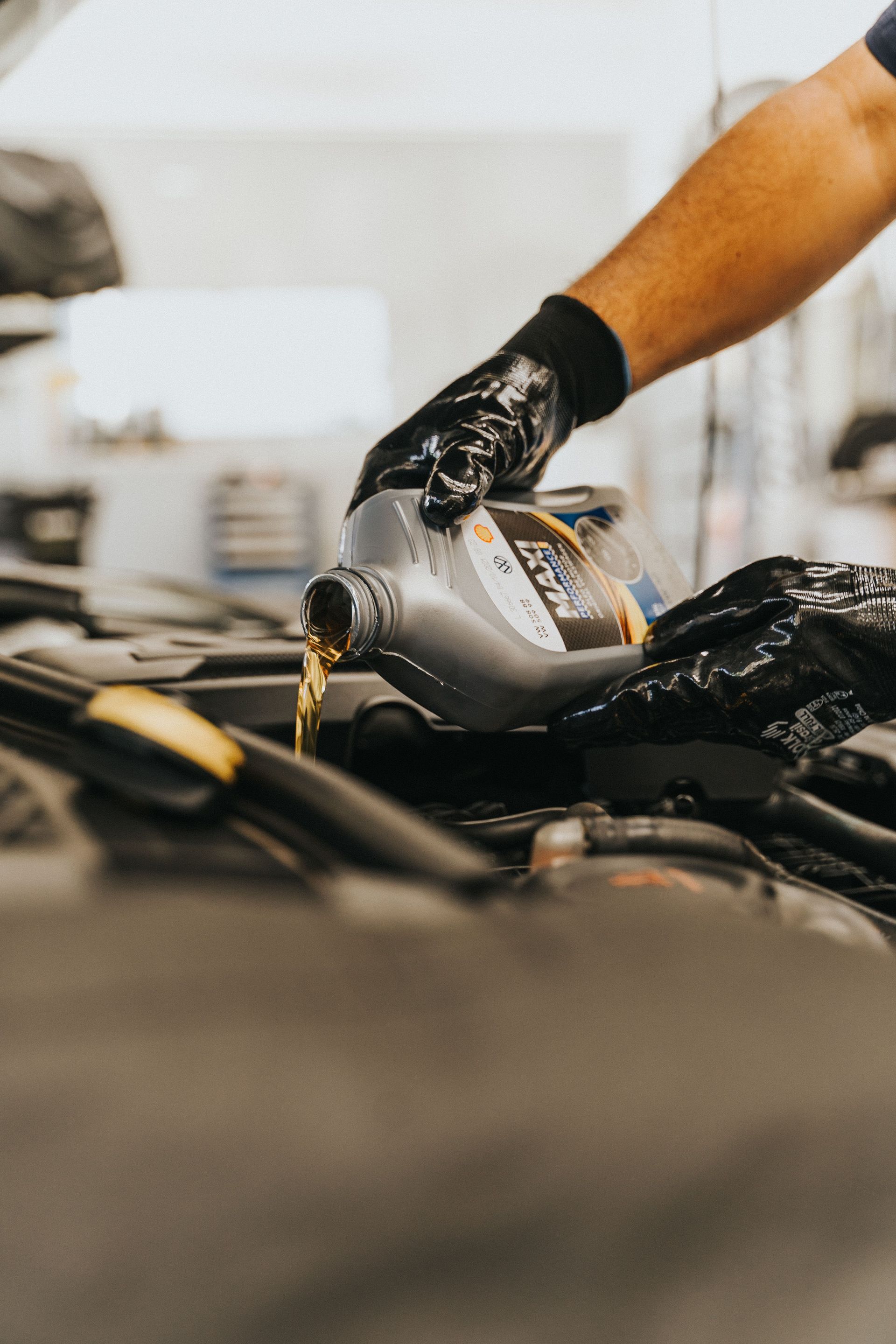
Fresh engine oil restores the lubricant film that protects moving components under operating temperatures and load cycles. As oil ages, its viscosity modifiers break down and its additive package—which includes detergents, anti-wear compounds, and oxidation inhibitors—depletes. The oil becomes less effective at both lubricating and cleaning the internal engine surfaces, and the suspended combustion byproducts it's been holding begin to accumulate as sludge if the interval extends too far. Returning fresh oil to the system clears that cycle and resets the protection.
After an oil change, the engine runs quieter at startup because the fresh oil reaches bearings and valve train components faster than degraded oil does, particularly in cold Iowa mornings when oil viscosity affects how quickly lubrication reaches the top end of the engine. The oil pressure reading normalizes, and the oil life monitor resets to reflect the actual service performed.
One consideration worth noting: the popular 3,000-mile interval no longer applies to most modern vehicles, but many drivers still use it as a default. The manufacturer's recommended interval for your specific engine—found in the owner's manual or confirmed during service—is the accurate reference point, and following it rather than a generic rule avoids both under-changing and unnecessary early changes.
Questions Before Scheduling Your Oil Change
Oil change service generates straightforward questions, but the answers aren't always as simple as they appear—here's what Dubuque drivers commonly ask before scheduling.
How do I know which oil type my vehicle requires?
The owner's manual specifies both viscosity grade and oil category for your engine—full-synthetic, synthetic blend, or conventional—and the oil fill cap sometimes lists the viscosity directly, but the manual is the definitive reference.
What is the actual interval for modern vehicles?
Manufacturer recommendations range from roughly 5,000 to 10,000 miles depending on the engine design and oil specification, with turbocharged and high-output engines often requiring shorter intervals due to higher thermal stress on the oil.
Why does the oil filter matter as much as the oil itself?
The filter removes particles that pass through the oil as it circulates—using a filter with inadequate capacity or a bypass valve that opens too early allows abrasive particles to recirculate through the engine rather than being captured.
How does Iowa's cold weather affect oil change timing for Dubuque drivers?
Cold starts in sub-zero temperatures are the hardest operational condition an engine faces, and oil that's approaching its change interval going into winter has a depleted additive package at the time when cold-start protection matters most.
What gets checked during an oil change beyond the oil itself?
Fluid levels, belt and hose condition, tire pressure, and filter condition are typically reviewed during the visit so minor maintenance needs are identified without requiring a separate inspection appointment.
Underdog Auto makes it straightforward to stay current on your vehicle's maintenance schedule—call (563) 542-5870 to set up your oil change and get your next service interval on record.