
Tires That Match the Road Conditions You Actually Drive
Tire Services in Dubuque for vehicles with worn tread, improper inflation, or tires that no longer suit current driving demands
Tire tread depth, inflation pressure, and overall tire condition affect how a vehicle stops, steers, and handles in wet or winter conditions. Underdog Auto provides tire inspection, replacement, rotation, and balancing for drivers in Dubuque who need to keep their vehicles properly equipped for year-round road conditions. Iowa's seasonal shifts—from summer heat that affects tire pressure to winter ice that demands adequate tread depth—make tire condition one of the most consequential aspects of regular vehicle maintenance.
Tire rotation and balancing address the uneven wear patterns that develop when the same tires carry the same loads in the same positions across thousands of miles. Front tires on front-wheel-drive vehicles typically wear faster at the center of the tread due to the combined demands of steering and power delivery, while rear tires wear differently under those same conditions. Rotation moves tires to positions where wear patterns equalize over time, and balancing corrects the small weight imbalances in a wheel and tire assembly that produce vibration felt through the steering wheel or seat at highway speeds.
Schedule a tire inspection with Underdog Auto to assess tread depth, inflation, and overall condition across all four tires.
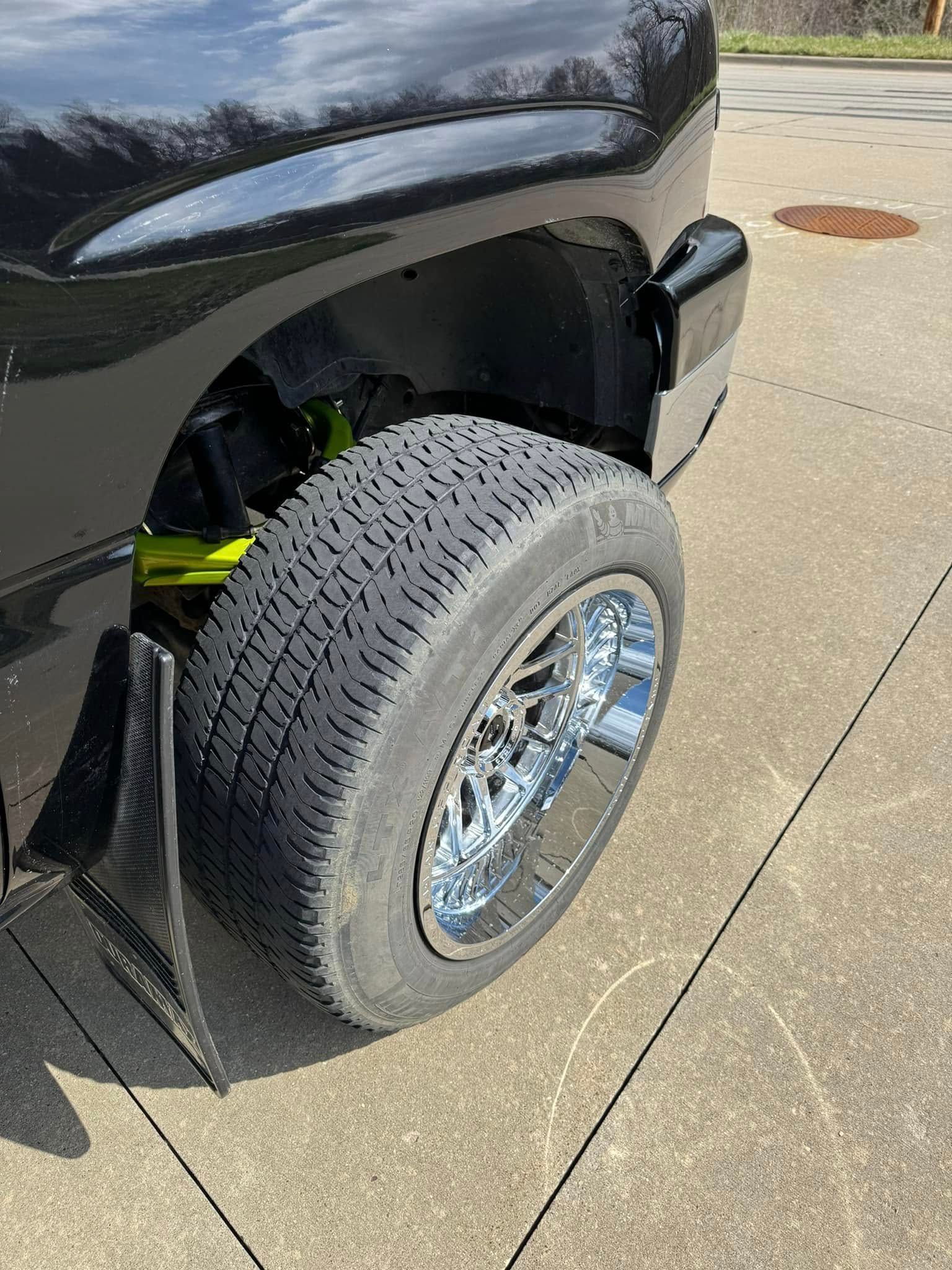
What You Notice Once Tire Service Is Finished
Tire replacement involves matching the new tire to the vehicle's load rating, speed rating, and size specification—not simply finding a tire that fits the wheel. A tire undersized for a vehicle's load capacity or rated below the vehicle's top speed is technically installed but functionally inadequate for the demands placed on it. Underdog Auto evaluates those specifications alongside the driver's actual use—highway miles, winter driving frequency, load-carrying needs—before a replacement tire selection is discussed.
After a rotation and balance service, vibration that was previously felt through the steering wheel at highway speeds typically disappears, and the vehicle tracks straight without pulling to one side. Replacing tires that have reached the legal tread depth minimum of 2/32 of an inch restores wet-weather stopping distances that worn tires can't achieve—the difference is most noticeable on wet pavement during braking, where adequate tread depth channels water away from the contact patch rather than allowing the tire to ride on a film of water.
Tire pressure is checked and adjusted to the vehicle manufacturer's specification during service, not to the maximum pressure printed on the tire sidewall—those are two different numbers with different purposes. A tire inflated to the sidewall maximum rather than the vehicle specification affects ride comfort and changes the contact patch shape, which influences both wear pattern and wet traction. Inflation to the correct specification is part of every tire service completed at Underdog Auto.
What Drivers Ask Before Tire Service
Tire questions often come down to timing, selection, and understanding what different services actually involve. The following covers the details that most commonly come up before an appointment.
How often should tires be rotated to prevent uneven wear?
Rotation intervals vary by vehicle and drive configuration, but most manufacturers recommend rotation every 5,000 to 7,500 miles—following that schedule prevents the accelerated center wear common on front-wheel-drive vehicles driven primarily in stop-and-go conditions.
What tread depth indicates a tire needs replacement?
Tires at or below 2/32 of an inch of remaining tread depth are legally worn out, but wet-weather stopping performance begins declining measurably before that point, typically around 4/32 of an inch.
Why does tire inflation matter beyond just keeping tires firm?
Inflation pressure affects the shape of the tire's contact patch, and an underinflated tire generates excess heat through flexing that accelerates internal structure degradation before the tread shows obvious wear.
How do Dubuque winters affect tire selection for year-round driving?
Iowa's freeze-thaw cycles and winter road treatment mean tires with adequate cold-weather compound flexibility perform better than all-season tires optimized for warmer conditions, and that difference in compound hardness is most apparent during cold-temperature braking.
What does a tire balancing service actually correct?
Balancing places small counterweights on the wheel rim to offset the minor weight variations that exist in every tire and wheel assembly, correcting the vibration that those imbalances produce when the tire rotates at speed.
Underdog Auto handles the full range of tire-related service needs for vehicles in Dubuque and can walk you through what your tires actually need based on their current condition. Call (563) 542-5870 to set up a tire inspection or service appointment.