Paint Protection Built for Long-Term Exposure
Ceramic Coating in Dubuque for vehicle owners seeking a durable protective layer over properly prepared exterior surfaces
A surface that sheds water, resists light contamination, and maintains a clean appearance between washes looks and behaves differently from one relying on conventional wax. Underdog Auto applies ceramic coating in Dubuque as a professional paint-protection treatment that creates a chemically bonded protective layer over the vehicle's exterior—one that adheres to the clear coat rather than sitting on top of it the way wax or spray sealants do. Drivers who want meaningful protection beyond what standard detailing products offer typically find ceramic coating the appropriate next step.
Ceramic coating bonds to paint through a curing process, and the durability of that bond depends directly on how well the surface was prepared before application. Paint that has not been fully decontaminated or corrected will trap imperfections beneath the coating once it cures, making preparation—not the coating product itself—the primary variable in how the finished result looks and performs. This is why thorough cleaning, clay bar decontamination, and any necessary paint correction must be completed before coating begins. Skipping preparation steps to reduce time or cost typically results in a coating that locks existing surface flaws in place rather than protecting clean paint.
Arrange a consultation to review your vehicle's current paint condition and discuss whether it is ready for ceramic coating or needs preparation work first.
How Ceramic Coating Differs from Conventional Wax
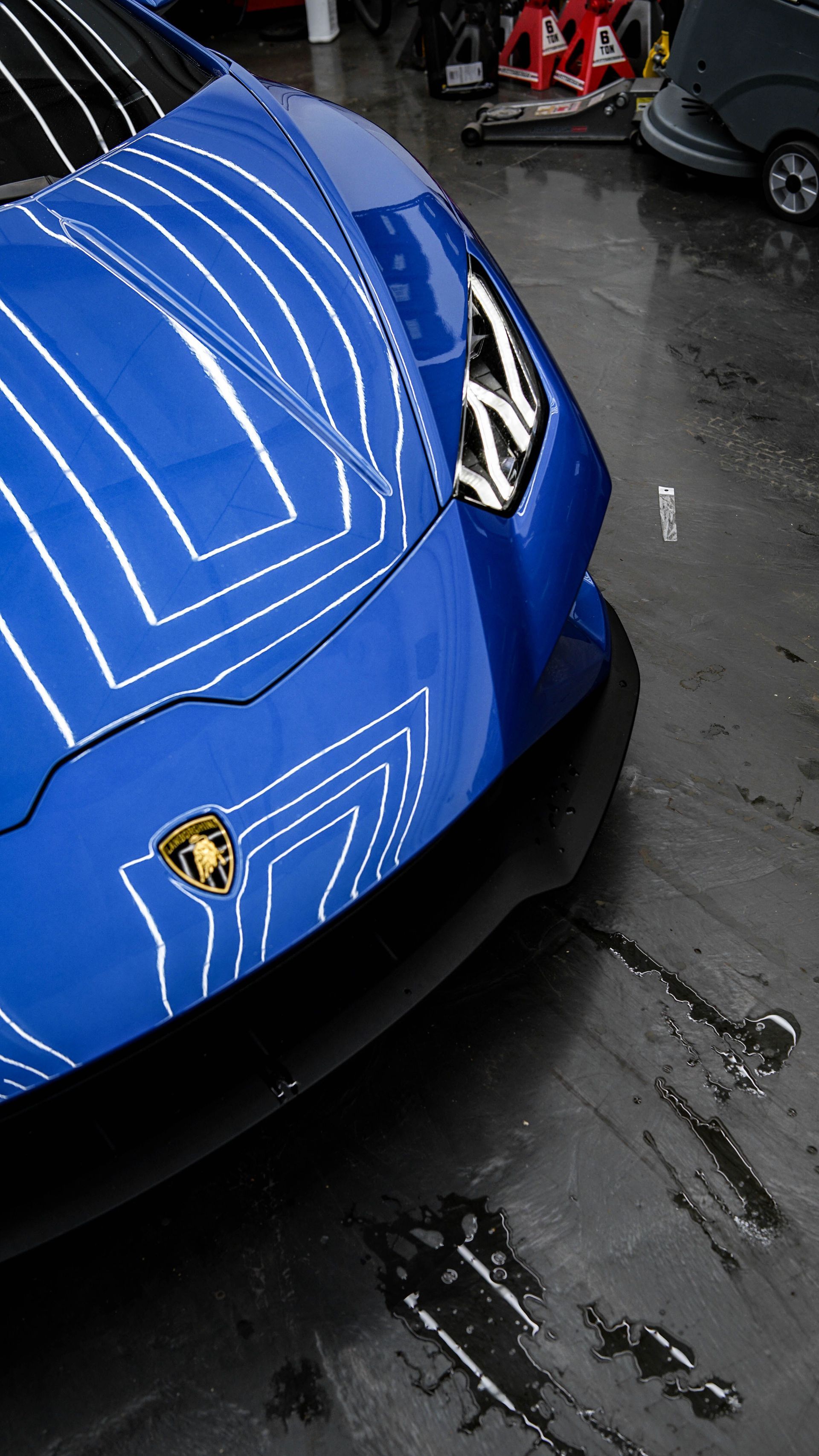
Conventional wax creates a temporary layer that sits on the paint surface and breaks down from UV exposure, washing, and temperature changes—typically requiring reapplication multiple times per year. Ceramic coating forms a semi-permanent bond with the clear coat through a silica-based chemistry that does not wash away or degrade from normal washing cycles the way wax does. The practical difference is that a coated surface sheds water and light contaminants more consistently over time without the repeated maintenance cycle that wax requires.
After coating cures fully, you will notice that water beads and sheets off panels rather than spreading flat, that bird droppings and road film release more easily during washing, and that the paint maintains a consistent reflective quality between cleaning sessions. Underdog Auto applies coating only after confirming the surface has been properly prepared, because those observable differences depend on the coating bonding to clean, corrected paint rather than to residual contamination or existing surface defects.
Ceramic coating is not a substitute for paint correction and does not remove existing swirl marks, oxidation, or scratches—it preserves the condition of the paint as it exists at the time of application. Vehicles with heavier paint defects typically need correction work before coating to avoid sealing those defects in permanently. The level of preparation required varies by vehicle condition, and an inspection prior to scheduling will clarify what steps apply to your specific situation.
Questions Before Committing to Ceramic Coating
These are the questions that most often come up when vehicle owners in Dubuque are evaluating ceramic coating for the first time.
Why does paint preparation matter so much before ceramic coating?
Ceramic coating bonds permanently to whatever surface it contacts during application—if that surface contains contamination, swirl marks, or oxidation, those imperfections become sealed beneath the coating and cannot be corrected without removing the coating entirely afterward.
How does ceramic coating hold up to road salt and winter driving conditions?
In climates like Dubuque's, where road salt is applied regularly through winter months, a properly applied ceramic coating creates a barrier that makes it easier to rinse salt residue from panel surfaces before it can accumulate and cause issues.
What maintenance does a ceramic-coated vehicle require?
Coated vehicles still require regular washing to remove surface contamination, but the coating's hydrophobic surface makes washing easier and reduces how quickly contaminants bond to the paint between sessions.
How long does the coating application process take from preparation through completion?
The overall timeline depends on the vehicle's current paint condition and how much preparation work is required before coating can be applied—an inspection is the most reliable way to estimate the scope accurately.
What is the difference between a professional ceramic coating and store-bought coating products?
Professional-grade coatings are applied in controlled conditions by trained technicians after thorough surface preparation, which affects how well the coating bonds and performs compared to consumer products applied over unprepared paint.
Underdog Auto evaluates each vehicle's paint condition before recommending coating to confirm the surface is ready and that the application will produce the result the owner is looking for. Speak with Underdog Auto to schedule a pre-coating consultation for your vehicle.