Cabin Surfaces Cleaned to a Standard Routine Maintenance Doesn't Reach
Interior Car Detailing in Dubuque for vehicles with heavily soiled seating, embedded debris in carpets, or cabin surfaces that have accumulated grime from daily use
Daily vehicle use deposits material into seating fabric, floor carpets, door panel crevices, and dashboard surfaces that routine vacuuming and wipe-downs don't fully address. Underdog Auto performs interior car detailing for drivers in Dubuque whose vehicles have reached the point where the cabin looks or feels noticeably different from when the vehicle was newer—not because of a single incident, but because of the gradual accumulation that comes with regular use through every season. The work is structured to address each area of the interior with cleaning methods appropriate to that surface's material rather than applying the same approach everywhere.
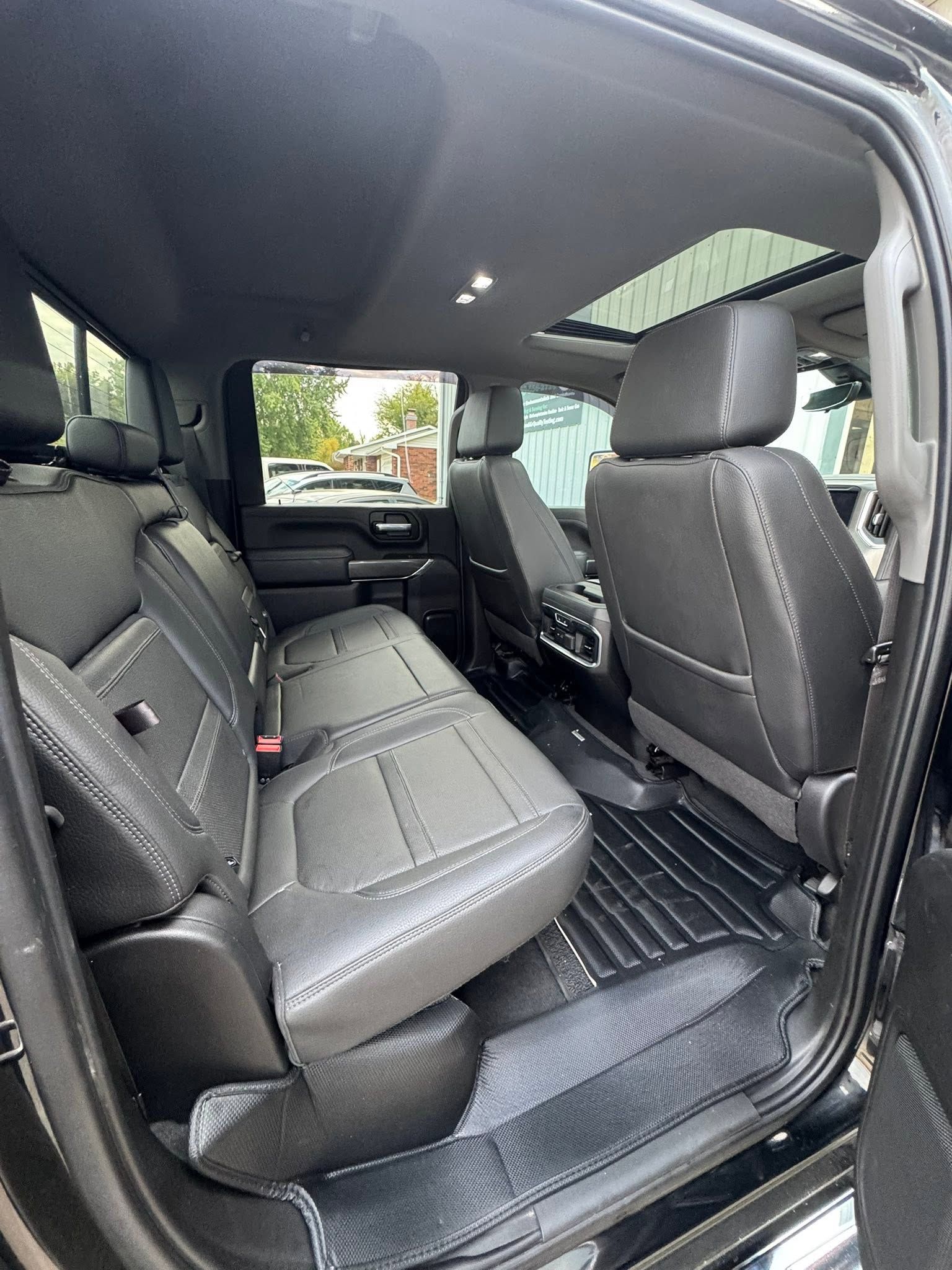
Interior detailing at this level involves extraction cleaning on fabric seating and carpeting, which uses heated water agitation to loosen embedded debris and then remove it, rather than simply passing a vacuum across the surface. Door panel surfaces, center consoles, and dashboard components receive attention appropriate to the material—vinyl, plastic, leather, and soft-touch surfaces each respond differently to cleaning products and application methods, and using the wrong product on a surface can leave residue, strip protective coatings, or change the surface's texture in ways that a quick wipe-down wouldn't reveal. Mats are pulled out and cleaned separately so the carpet underneath receives the same level of attention as the mat surface itself.
Set up an interior detailing appointment with Underdog Auto to assess your vehicle's cabin and identify the specific areas that need the most attention.
Why Interior Detailing Goes Beyond a Standard Cleaning
The extraction process used on fabric surfaces is what separates interior detailing from a standard vacuuming. A vacuum removes loose debris sitting on or near the surface, while extraction equipment forces water and cleaning solution into the fabric pile, agitates the material to release what's bonded to the fibers, and then pulls that water and debris back out in a single pass. The result is visible in the extractor tank afterward—water that runs clear from fabric that looked relatively clean often carries significant suspended material that wasn't apparent from the surface alone.
After interior detailing is complete, fabric surfaces feel cleaner to the touch and appear more consistent in color rather than showing the patchy, dulled appearance that accumulated grime creates over time. Hard surfaces in the cabin—door handles, the steering wheel, shifter, and dashboard components—feel smooth rather than tacky or filmed from oils transferred by regular contact. Underdog Auto works through the cabin systematically, so no surface area is left at a different level of cleanliness than the one next to it.
Leather seating requires conditioning after cleaning to prevent the material from drying and cracking, which is a separate step from the cleaning process itself—cleaning removes the buildup, and conditioning restores the material's flexibility. Vehicles used in Dubuque through winter months often have floor areas that accumulate road salt residue tracked in on footwear, and that residue requires attention distinct from general dirt because salt crystals can continue to work into carpet fibers if not fully removed during extraction. The approach used for each area reflects what that specific surface is carrying, not a standardized sequence applied regardless of condition.
What Property Owners Usually Ask About Interior Detailing
Interior detailing questions most often focus on what the process can realistically address and how to maintain the cabin after the work is done. These answers reflect the most common points that come up before an appointment.
What areas of the vehicle interior does a detailing service cover?
A thorough interior detail addresses seating surfaces, floor carpets and mats, door panels, the headliner, the dashboard and console, and interior glass—each receives attention appropriate to its material and condition.
How does extraction cleaning differ from shampooing a carpet?
Extraction uses controlled water delivery combined with immediate suction to prevent oversaturation and reduce drying time compared to traditional shampooing, which can leave fabric surfaces wet for extended periods and create conditions for mildew if ventilation is poor.
Why does leather require conditioning after it's cleaned?
Leather cleaning removes oils along with the soiling, and without conditioning afterward, the material loses flexibility and becomes prone to cracking at stress points—conditioning replaces what cleaning removes and keeps the leather from drying out between service intervals.
How does Dubuque's winter driving season affect interior condition?
Salt and ice melt tracked into the vehicle from Iowa winter conditions embed into carpet fibers and can remain active if not fully extracted, which is why interior detailing after winter is particularly effective for restoring carpet and floor mat areas to a cleaner baseline.
How often should a vehicle's interior be detailed to maintain the cabin condition?
Interior detailing frequency depends on how the vehicle is used—vehicles driven daily with passengers, children, or work materials benefit from detailing more frequently than vehicles used lightly, and addressing the cabin before soiling becomes heavily embedded keeps the process less intensive each time.
Underdog Auto completes interior detailing with attention to the specific condition of each surface in your vehicle's cabin rather than a fixed routine applied the same way regardless of what's there. Call (563) 542-5870 to book your interior detailing appointment and discuss what your vehicle's cabin currently needs.