Mechanical Problems Diagnosed Before Parts Are Replaced
Engine Repair in Dubuque for vehicles with performance loss, irregular operation, or persistent warning indicators
A check engine light that won't clear, an engine that misfires under acceleration, or a vehicle that idles roughly but runs better at speed—these aren't random events. Each is a signal that something specific is affecting how the engine manages fuel, air, ignition, or mechanical compression, and identifying which system is responsible requires more than retrieving a fault code. Underdog Auto handles engine repair in Dubuque for drivers dealing with these conditions, starting with a diagnostic evaluation that identifies the actual cause before any repair recommendation is made. That sequence—diagnosis first, then repair—is what separates a lasting fix from one that addresses the symptom but leaves the underlying problem in place.
Engine problems span a wide range: failed sensors causing incorrect fuel trim, mechanical issues like worn valve train components or damaged piston rings, cooling system failures that produce overheating and subsequent damage, and gasket failures that allow fluids to cross into systems where they don't belong. The diagnostic process involves retrieving fault codes from the engine control module, reviewing live data streams from sensors under operating conditions, and performing mechanical tests—compression tests, leak-down tests, and fuel pressure checks—when the code data points toward a mechanical rather than electronic origin.
Contact Underdog Auto to schedule an engine diagnostic and get a clear picture of what your vehicle actually needs before committing to any repair.
How Engine Repair Addresses the Underlying Problem
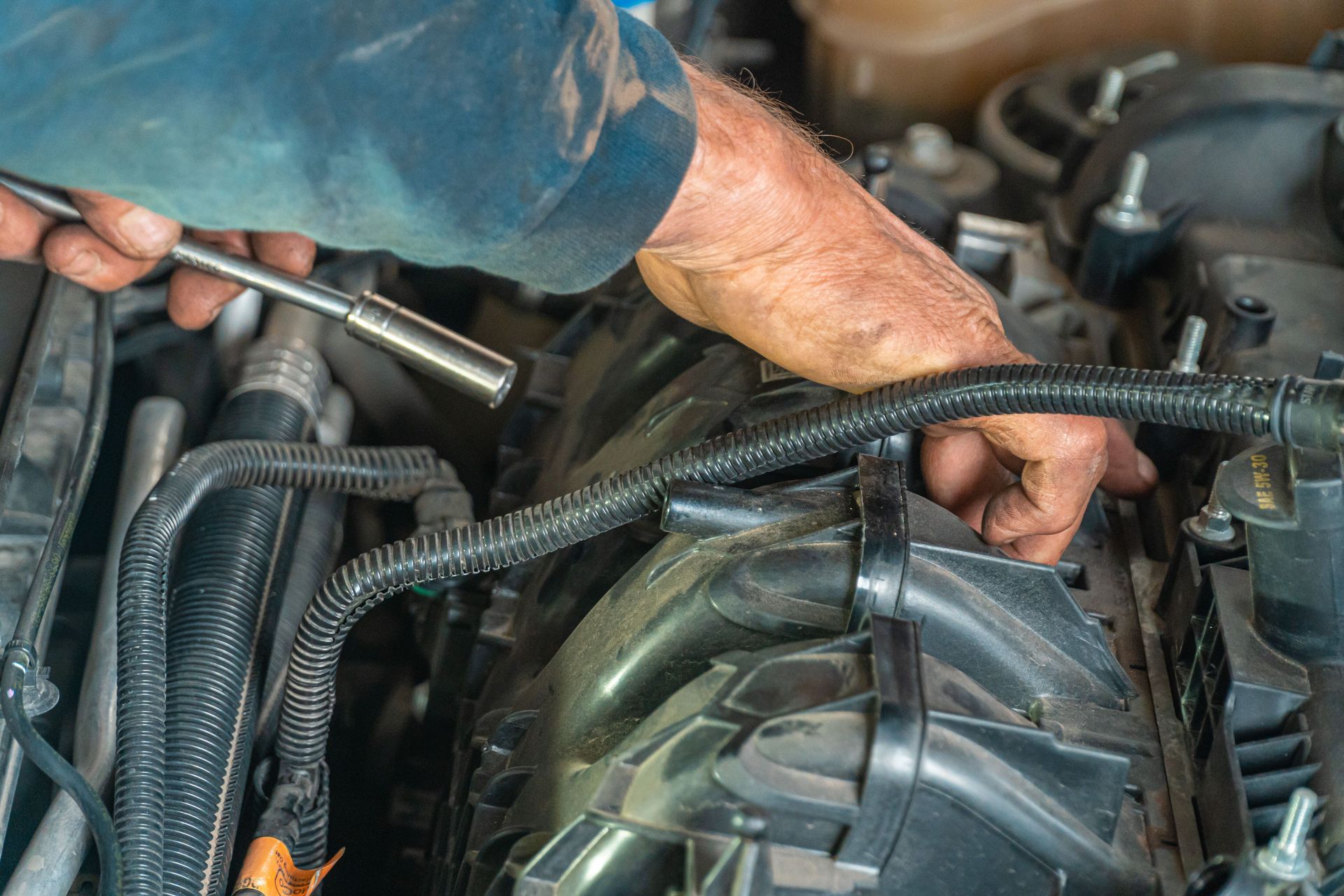
The distinction between engine repair and engine replacement is a decision point that requires accurate diagnostic information rather than a general estimate of the vehicle's age or mileage. Many engine problems that produce severe symptoms—oil consumption, loss of compression, internal noise—are caused by a specific component failure rather than wholesale engine wear, and targeted repair of that component at the right time is both more cost-effective and appropriate. Conversely, when multiple systems show significant wear simultaneously, replacement may be the more practical path—and a thorough evaluation is what makes that determination accurately.
After engine repair is completed, the vehicle starts consistently, idles at a stable speed without hunting or stumbling, accelerates without hesitation or misfire, and runs without the warning indicators that prompted the visit. These are measurable functional outcomes, not general improvements—a repair that doesn't produce them means the underlying cause wasn't fully resolved.
Engine repair scope varies considerably depending on what the diagnosis reveals. A failed ignition coil on one cylinder is a focused repair with predictable labor; a head gasket failure that caused coolant intrusion into the combustion chamber requires a more detailed teardown and inspection of related components like the head surface and cooling system pressure integrity. Dubuque drivers whose vehicles have experienced overheating events—whether from a cooling system failure on a hot summer day or low coolant over time—should have the engine inspected for secondary damage before returning the vehicle to regular use.
What Drivers Ask About Engine Repair
Engine repair questions tend to focus on understanding the process and knowing what the diagnostic findings actually mean for the repair decision ahead.
What does an engine diagnostic actually involve beyond reading a fault code?
A technician reviews the fault code alongside live sensor data, performs functional tests relevant to the code's indicated system, and uses mechanical testing when the data suggests the problem originates in the engine's physical components rather than its electronic controls.
How is engine repair different from an engine replacement?
Repair addresses a specific failed component within a generally sound engine, while replacement is considered when multiple systems have deteriorated to a point where targeted repair isn't a practical solution—diagnosis is the only accurate way to distinguish between the two.
Why do some engine problems return after a repair?
Symptoms that reappear after a repair typically indicate that the fault code was addressed without identifying the underlying condition that caused the component to fail—addressing the root cause is what prevents the same failure from recurring.
When should Dubuque drivers prioritize an engine diagnostic over continuing to drive?
A check engine light combined with any performance change—rough idle, hesitation, loss of power, or unusual smell—indicates the problem has moved beyond a minor sensor fault and warrants inspection before the condition affects additional components.
What happens if an engine has overheated and then been allowed to cool?
Overheating events can cause head gasket damage, warped cylinder head surfaces, or coolant contamination in the oil—a compression and cooling system pressure test after any significant overheat confirms whether secondary damage occurred before the vehicle returns to daily use.
Underdog Auto provides engine diagnostics that give you accurate information before any repair decision is made—call (563) 542-5870 to arrange an engine evaluation for your vehicle.