Ride Quality and Handling Built on Solid Components
Suspension Repair in Dubuque for vehicles with unusual movement, uneven handling, or noise over varied road surfaces
Suspension components wear gradually, which means the handling changes they cause tend to creep up rather than appear suddenly—a vehicle that used to feel planted now wanders slightly on the highway, or one that rode smoothly now transmits every seam in the pavement directly into the cabin. Underdog Auto performs suspension repair in Dubuque for drivers noticing these shifts in ride behavior, handling stability, or noise that appears when navigating turns, dips, or uneven pavement. Road surfaces in and around Dubuque vary considerably, from well-maintained arterials to routes that carry the effects of frost heaving and seasonal deterioration—conditions that accelerate wear on suspension components more than smooth highway miles would.
Suspension inspection covers the full range of components that manage vehicle movement: shock absorbers, struts, control arms, ball joints, tie rods, sway bar end links, and bushings. Each component serves a specific function in controlling how the vehicle responds to steering input and road variation, and wear in one area puts additional stress on adjacent parts. A worn strut mount, for example, changes how the strut moves through its range of motion and creates noise that's easy to misattribute to other causes without a hands-on inspection.
Set up a suspension inspection at Underdog Auto to identify which components are contributing to what you're noticing and get a clear repair recommendation.
Why Suspension Problems Happen and How to Stop Them
Suspension wear follows predictable patterns based on component design, mileage, and road exposure. Rubber bushings dry out and crack under temperature cycling, allowing metal components to move in ways they weren't designed to—producing noise and affecting alignment geometry. Ball joints and tie rod ends develop play over time, which shows up as looseness in steering response or a clunking sensation when the wheel encounters a bump. These aren't sudden failures in most cases; they're measurable deterioration that inspection catches before the component fails completely.
Once worn components are replaced, the vehicle responds to steering input with the directness it had when the suspension was new, road noise from component movement disappears, and the ride absorbs surface variation rather than transmitting it. Drivers often notice that highway lane changes feel more controlled and that the vehicle no longer requires constant small steering corrections to hold a straight line.
Suspension repair scope depends on what the inspection reveals—some vehicles need a single component on one corner, while others have widespread bushing degradation that warrants a more comprehensive approach. After suspension work is completed, wheel alignment should be checked because replacing components like control arms or tie rods changes the geometry settings that alignment is based on, and driving on misaligned geometry accelerates tire wear.
Answers to Frequent Suspension Service Questions
Understanding what suspension repair involves helps drivers recognize when to bring a vehicle in and what to expect during the service process.
How does a technician identify which suspension component is causing a problem?
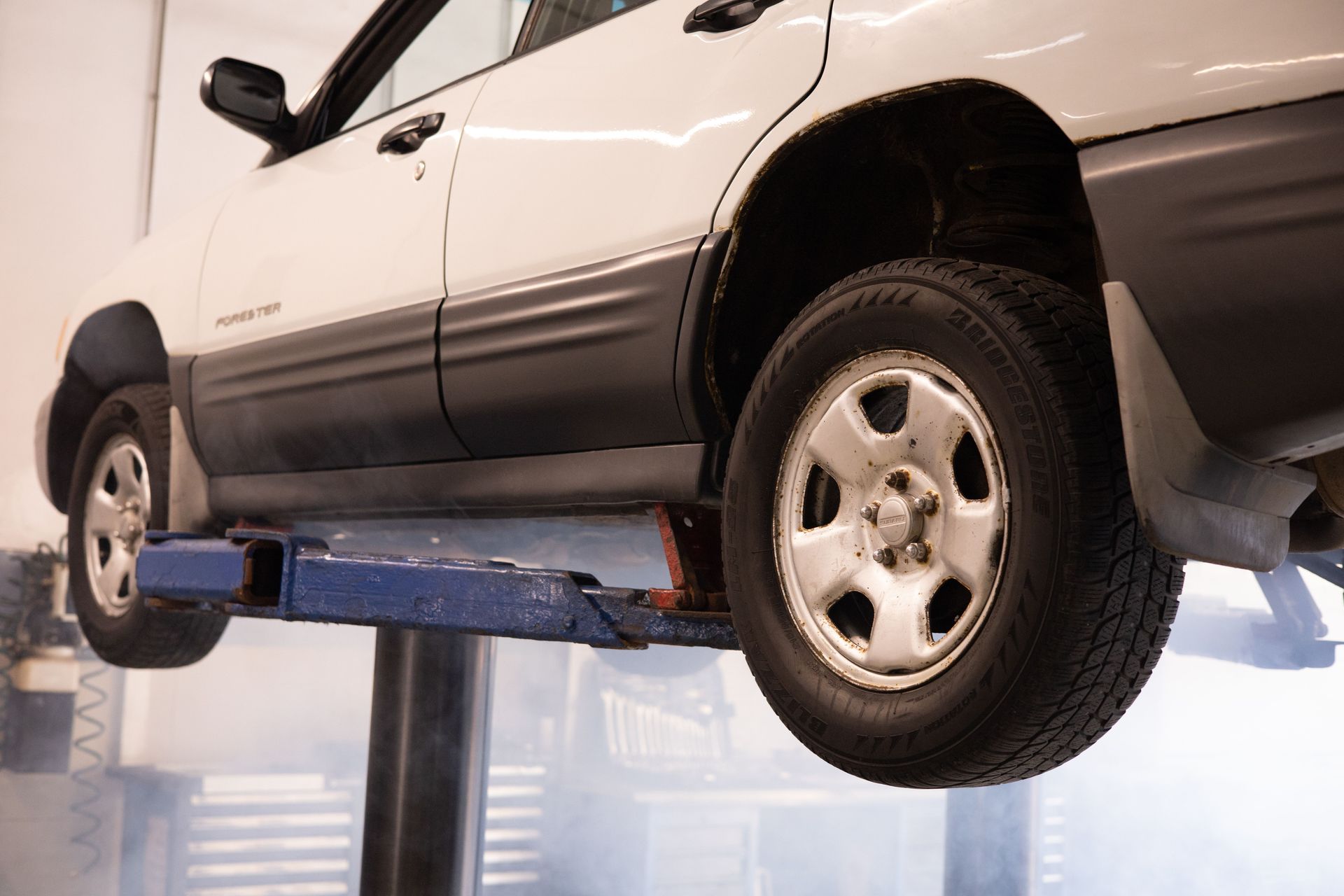
The vehicle is raised on a lift and each component is physically checked for play, visible damage, and range of motion—some components are pried with a bar to reveal looseness that isn't apparent during a test drive.
Why does suspension noise sometimes change depending on vehicle speed or road type?
Different components produce noise under different load conditions—low-speed turning isolates ball joints and tie rods, while highway speeds and smooth pavement tend to reveal worn shock absorbers and strut bearings.
What causes uneven tire wear and is suspension the reason?
Worn suspension components allow wheel geometry to shift outside the alignment specification, which causes tires to wear faster on one edge—an alignment check after suspension repairs is standard practice to address this.
When is suspension repair in Dubuque especially timely?
Vehicles that have accumulated significant miles on Iowa's frost-affected roads benefit from a suspension review when wear symptoms first appear, before secondary component stress turns a focused repair into a larger one.
What is the difference between shock absorber replacement and strut replacement?
Shock absorbers and struts both control suspension movement, but struts are structural components that also support vehicle weight—strut replacement is a more involved service that includes the spring and bearing in many cases.
Underdog Auto can evaluate your vehicle's suspension and explain what the findings mean in plain terms—call (563) 542-5870 to schedule your suspension service.